
Reviewed · KANGAROO ISLAND WILDLIFE TOURS
Nocturnal Tour of Kangaroo Island
Wildlife after dark beats any zoo. This Kangaroo Island night tour is built around real habitat sightings, not cages, with a guide who knows where animals actually go when the light fades. I love that torch-and-stops are practical, so you can focus on spotting behavior instead of guessing. I also like the chance to see kangaroos and wallabies up close while they feed, plus the real “maybe” moments like fairy penguins and koalas.
The one thing to keep in mind is that night sightings are never 100% guaranteed—especially for reclusive animals—so go in with curiosity, not a strict wish list.
In This Review
- Key highlights worth your attention
- Entering Kangaroo Island’s night mode: what this tour feels like
- Price and what $106.87 buys you (and why it may be worth it)
- Where you meet and how pickup works after 8:00 pm
- Stop 1: Kingscote Silo Art sets the search in motion
- Stop 2: Emu Bay penguin time—small lights, big payoff
- Stop 3: Wisanger secret spot—wallabies and kangaroos grazing nearby
- Stop 4: Kingscote at night—quiet views between sightings
- The guide factor: why local names matter for night wildlife
- Torch use, photos, and not accidentally scaring the moment
- What animals you can realistically hope for
- Weather matters more than you think
- Who this tour is best for (and who should think twice)
- Quick packing and prep checklist (small things, big comfort)
- Should you book Nocturnal Kangaroo Island wildlife?
- FAQ
- What time does the tour start?
- How long does the Nocturnal Tour of Kangaroo Island last?
- Is this tour private?
- What’s included for wildlife spotting?
- Where is the meeting point?
- Is admission included for stops?
- Does the tour go to Emu Bay to look for penguins?
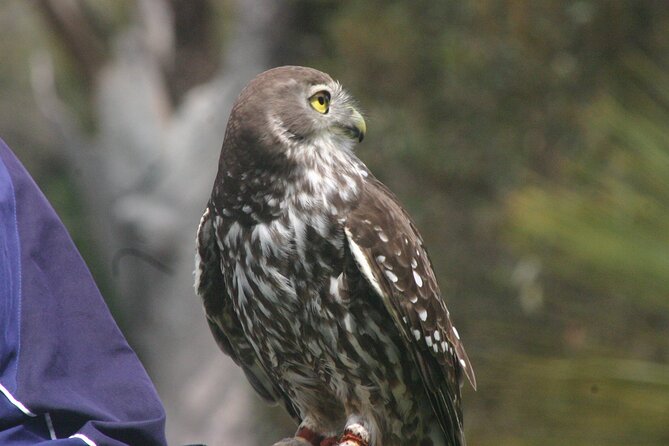
- Are koalas part of the experience?
- Is dinner included?
- What happens if the weather is bad?
- Are mobile tickets used?
Key highlights worth your attention
- Local guide effort, not random driving to find active animals
- Torches provided so you can see clearly without packing gear
- Penguin search at Emu Bay as a dedicated block of time
- Wisanger secret route designed around grazing kangaroos and wallabies
- Private format for your group with personalized attention
Sea lions and Remarkable Rocks, more of the island
- Kangaroo Island 75-Minute Coastal Safari★ 5.0 · 607 reviews
- Kangaroo Island – Swim with Dolphins/Seals/Coastal Snorkel★ 4.5 · 261 reviews
- Kangaroo Island: 75-Minute Coastal Safari★ 4.7 · 181 reviews
- Kangaroo Island: Dolphin, Seal, and Swimming Boat Tour★ 4.3 · 133 reviews
- Kangaroo Island Scenic Nature and Wildlife Day Tour★ 5.0 · 129 reviews
Entering Kangaroo Island’s night mode: what this tour feels like
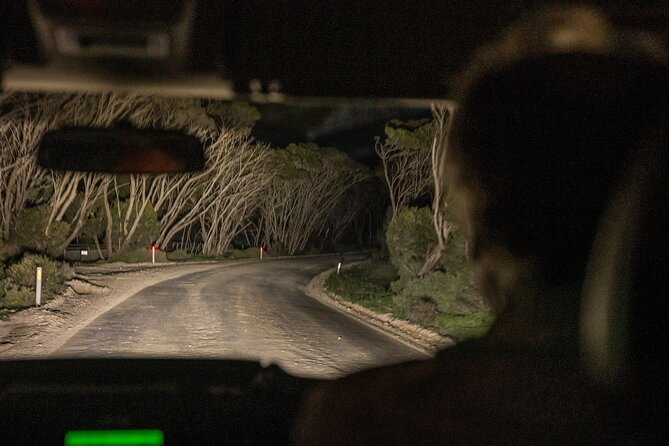
This is a classic “dark roads, good eyes” wildlife outing. You start in the evening (8:00 pm) and spend the next couple of hours moving between night hotspots around Kingscote and nearby areas. The whole point is simple: many of the island’s best animals are more active after dusk, and they’re easier to spot when someone local is steering you toward likely spots.
Because it’s timed for night behavior, you’ll notice the tour has a different rhythm than daytime wildlife walks. It’s not about grinding through long trails. It’s more like a series of short drives and focused viewing windows—then quiet moments where your guide lets the animals decide what to do next.
Also, this is set up so you don’t need to bring much. Torches are provided, and you get bottled water during the tour. That sounds basic, but at night on Kangaroo Island, “basic” is exactly what makes it enjoyable instead of annoying.
One more detail that matters: the format is private, with only your group taking part. That tends to make it easier for the guide to adjust pacing, answer questions, and spend a little extra time when an animal finally appears.
Price and what $106.87 buys you (and why it may be worth it)
At $106.87 per person, this isn’t a cheap “we’ll drive past some animals” add-on. You’re paying for four things that really matter for wildlife at night: a local guide, dedicated time blocks at the right places, transportation (private transport), and the viewing gear (torches) that helps you actually see what’s happening.
For me, value here comes down to effort. Kangaroo Island wildlife spotting isn’t just about luck—it’s about knowing where to look, how long to wait, and how to read the island after dark. The reviews put a lot of weight on that local searching skill, especially when it comes to animals people don’t often see during daytime sightseeing.
You’re also not paying for dinner here. That keeps the cost tied to the core experience: wildlife time, not a bundled meal. If you want food, plan to eat before pickup, or be ready for a late-night snack after.
Where you meet and how pickup works after 8:00 pm
The meeting point is at 74 Dauncey St, Kingscote SA 5223. One review note that the meeting point can look like you’re standing outside a closed shop—no panic. The tour operator will meet you there, on time.
The tour also includes pickup from your accommodation and then returns you afterward. That matters because night driving on an island isn’t the time to be sorting out parking and “how do we get there again?” questions. You show up, the guide handles the route, and you spend your energy on looking out the windows and using your torch.
Start time is 8:00 pm, and the tour runs roughly 2 to 2.5 hours. If you’re planning a day of winery stops, dinners, or beach time beforehand, give yourself enough slack to get back and settled before pickup.
Stop 1: Kingscote Silo Art sets the search in motion
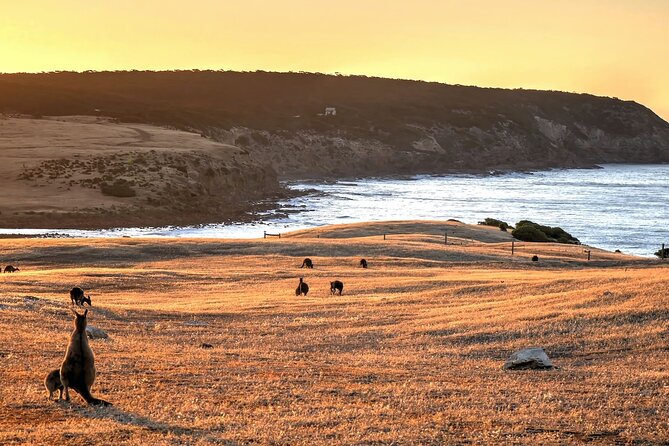
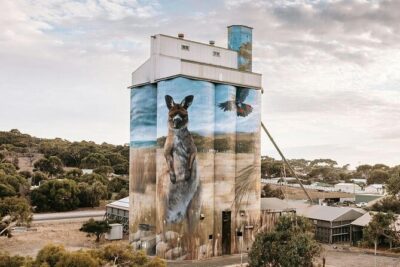
The tour begins with a quick stop at Kingscote Silo Art (about 10 minutes). Think of this as your on-ramp: you’re aboard the transport, the guide gets everyone aligned, and then the search begins.
This first block is where you build your “night spotting” mindset. You’re given torches, you start scanning roadsides and open areas, and you learn what to watch for: movement, eye shine, feeding behavior, and the little clues animals leave behind. Even if you don’t see everything right away, this is when you learn how your guide reads the island after dark.
What I like about starting here is that it reduces early frustration. When you’re new to night wildlife, the darkness can make every bush look the same. A guide’s local approach helps you stop overthinking and start seeing.
Stop 2: Emu Bay penguin time—small lights, big payoff
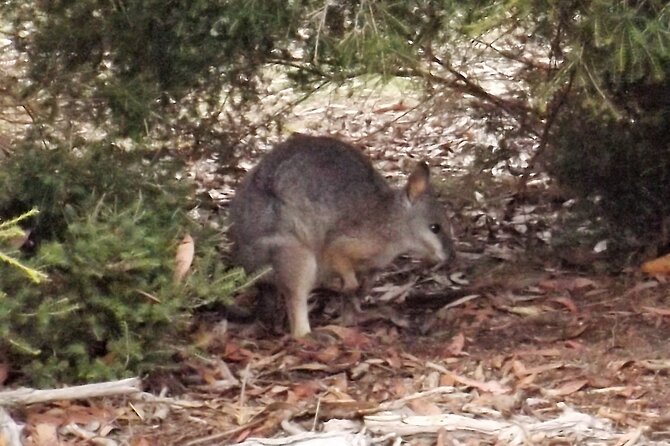
Next is Emu Bay (about 30 minutes). This stop is clearly built for searching for penguins, and that’s one of the main “wow” targets people want from Kangaroo Island at night.
Penguin spotting is the kind of experience where conditions and animal mood matter. Wind can change what you hear and how easily you can see, and one review specifically mentioned a windy night where the guide still managed to spot fairy penguins. That tells you two useful things:
- You shouldn’t expect a guarantee.
- If your guide says to wait and look, you’ll likely be glad you did.
Also, keep your expectations flexible. Fairy penguins aren’t huge and they don’t always cooperate on a schedule that makes sense for your camera. The value here is the guided effort and the chance at seeing them in their real environment, not as a timed performance.
Practical tip: keep your torch use controlled. In these viewing situations, too much light can ruin the moment for you and for the animals. Use it to confirm what you’re seeing, then let your eyes do the rest.
Stop 3: Wisanger secret spot—wallabies and kangaroos grazing nearby
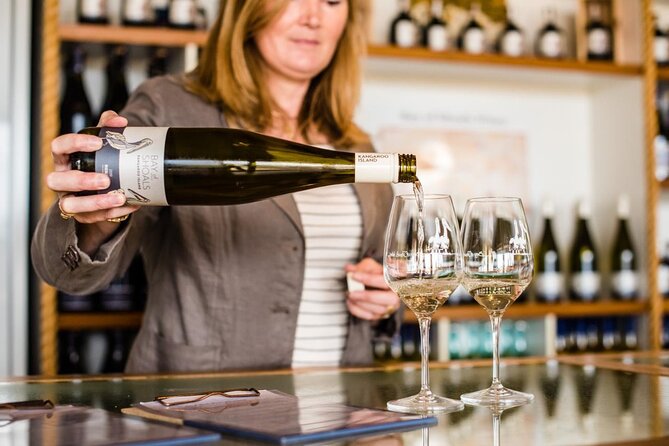
After Emu Bay, you move into a longer viewing block at Wisanger (about 1 hour). This is described as a secret spot with a route where wallabies and kangaroos are grazing. That’s important language. You’re not just hunting for sightings—you’re being guided to places where animals are likely to be doing normal, everyday things like feeding.
This is where the experience can feel most alive. Seeing kangaroos or wallabies out in open habitat has a different emotional hit than zoo viewing. You get to watch the animals behave like animals, not like exhibits.
One detail that shows up in the reviews is the variety of what can turn up: kangaroos, wallabies, and even young animals in pouches. That kind of “right place, right time” moment is exactly why night tours like this are worth doing—daytime wildlife spotting often focuses on different behaviors and different species.
There’s another subtle win here: a full hour at Wisanger gives your guide enough time to adjust if the first area is quiet. That extra patience is something you don’t always get on shorter add-ons.
Stop 4: Kingscote at night—quiet views between sightings
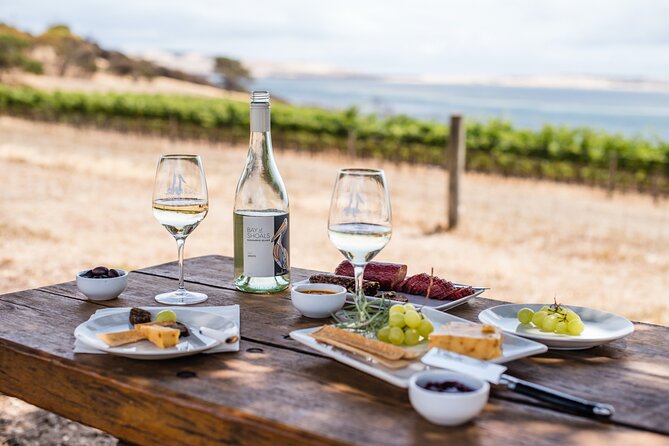
The final block is Kingscote at night (about 30 minutes). This part is less about a specific animal target and more about letting the night breathe. You’ll look at the surrounds and enjoy the tranquility of the town after dark.
I actually think this stop is more useful than it sounds. After intense scanning, your eyes need a break. Night wildlife also includes long pauses where nothing obvious moves. Having time at the end to regroup makes the experience feel complete, not like you’re constantly chasing your next animal.
It’s also a nice transition before the return trip—so you’re not rushing out the door while still in “spotting mode.”
The guide factor: why local names matter for night wildlife
The biggest repeated theme is the guide’s local knowledge and searching skill. In the reviews, the guide is often named Colin, and that name comes up with consistent praise for finding wildlife when others had trouble earlier in the trip.
One review described a guide born and raised on the island who knew exactly where to go. Another said the tour felt personalized, especially in a small group situation. That matters because night wildlife spotting isn’t just a checklist task. It’s about reading the ground, moving at the right speed, and understanding animal patterns on Kangaroo Island.
If you’re the type of traveler who hates standing around, this is where you’ll feel good. The tour isn’t just “good luck, hope you see something.” It’s guided effort that keeps you looking in the right places.
Torch use, photos, and not accidentally scaring the moment
You’ll have torches provided, which is a major advantage—packed gear is one less headache. For photos, you’ll want to balance two things: enough light to capture shape, and not so much light that the animal disappears.
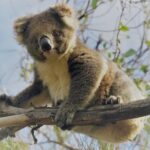
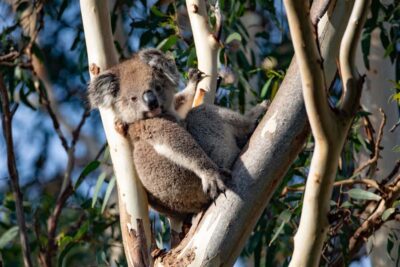
A review specifically mentioned flashlights being used to spot koalas up in trees. That’s a reminder that torches are mainly a tool to locate—then you shift into watching mode. When an animal is close enough to see clearly, try not to flood it with light repeatedly.
Also, expect that the best photos often happen after you pause. Night wildlife requires patience. Your best shots might come when you stop “hunting” and start observing what’s already in front of you.
What animals you can realistically hope for
Your success depends on the night, weather, and the animals’ behavior. But based on the information and sightings mentioned, this tour is set up for a strong mix of Kangaroo Island’s night-active wildlife.
Here are the common targets you should go looking for:
- Kangaroos and wallabies (often grazing in open areas)
- Koalas (sometimes in trees, with torch help)
- Fairy penguins (search-focused block at Emu Bay)
- Possums (mentioned in sightings)
- Echidnas (also mentioned)
- Other wildlife can appear, depending on conditions
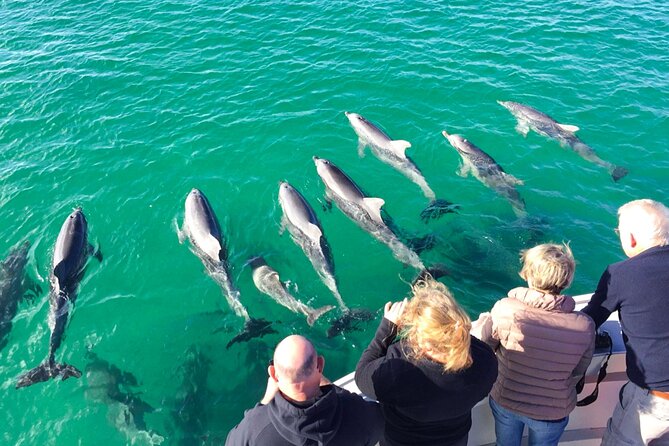
One review even mentioned dolphins coming out at night with a guide who knew where to look. That’s not something the tour describes as a guaranteed stop, so I’d treat it as a possible bonus rather than the reason you book. Still, it supports the same point: the guide isn’t just following a script.
Weather matters more than you think
This experience requires good weather. If weather is poor, it can be canceled and you’ll be offered a different date or a full refund. Night tours are always sensitive to wind, rain, and visibility—but here, it’s part of the planning logic.
One review noted it was quite windy and the guide still found penguins. That suggests the tour can work in breezy conditions, but if weather turns rough, wildlife behavior and viewing conditions change fast. Dress for cool night air, and don’t underestimate how dark it feels once you leave town.
Who this tour is best for (and who should think twice)
This tour is a great fit if you:
- Want wildlife in real habitat, not a zoo setup
- Like guided searching instead of self-driving guesswork
- Care about seeing night-active species
- Appreciate a private format with room for questions
It may feel less perfect if you’re the kind of traveler who needs constant action. Night tours have waiting. You might have amazing sightings, followed by periods of quiet scanning. That’s normal. If you go in thinking it’s a sprint, you’ll miss the point.
Also, consider that reclusive species can be hit-or-miss. If you must see fairy penguins or koalas no matter what, you’ll be happier if you approach this as a guided chance, not a promise.
Quick packing and prep checklist (small things, big comfort)
Because this is a night tour with torches provided, you can travel lighter than you might expect. Still, I’d bring:
- A warm layer (nights can feel cold once you’re outside)
- Comfortable shoes for short viewing moments
- A phone or camera with a way to manage low light (you’ll use torch moments strategically)
- A snack plan since dinner isn’t provided
If you wear bright colors and stand right in the middle of the viewing area, you might get noticed by wildlife. Keep your movements calm and slow. Let your guide set the pace.
Should you book Nocturnal Kangaroo Island wildlife?
If you’re doing Kangaroo Island for wildlife—and especially if your schedule allows you to spend an evening out—the answer is usually yes.
Book this tour if you want:
- Guided night searching that increases your chances compared with self-drive
- The possibility of seeing multiple species in one session
- A practical setup with torches and bottled water, plus pickup and return
Skip it only if you hate waiting, you need guaranteed penguins or koalas on demand, or you’re not comfortable with an evening outing where visibility depends on conditions.
The strongest reason to book is simple: Kangaroo Island wildlife is most interesting when it behaves like it’s not being watched. This tour is built for that kind of seeing.
FAQ
What time does the tour start?
The tour starts at 8:00 pm.
How long does the Nocturnal Tour of Kangaroo Island last?
It runs about 2 hours to 2 hours 30 minutes.
Is this tour private?
Yes. It’s described as private, with only your group participating.
What’s included for wildlife spotting?
Torches are provided to help you see animals at night. Bottled water is also included.
Where is the meeting point?
The start point is 74 Dauncey St, Kingscote SA 5223, Australia.
Is admission included for stops?
Admission for Kingscote Silo Art is included. Other stops listed (like Emu Bay, Wisanger, and Kingscote) are marked as ticket-free in the details provided.
Does the tour go to Emu Bay to look for penguins?
Yes. You’ll be taken to a location at Emu Bay to look for penguins during a dedicated time block.
Are koalas part of the experience?
Koalas are mentioned in the sightings from the experience details and user feedback, and the night search includes guided spotting opportunities.
Is dinner included?
No. Dinner is not provided.
What happens if the weather is bad?
This experience requires good weather. If it’s canceled due to poor weather, you’ll be offered a different date or a full refund.
Are mobile tickets used?
Yes. The tour includes a mobile ticket.
More Tours in Kangaroo Island
- Kangaroo Island Quad Bike (ATV) Tours
★ 5.0 · 1,236 reviews - Small-Group Buggy Tour at Little Sahara with Guide
★ 5.0 · 234 reviews - Kangaroo Island: Dolphin, Seal, and Swimming Boat Tour
★ 4.3 · 133 reviews - Kangaroo Island Scenic Nature and Wildlife Day Tour
★ 5.0 · 129 reviews - Small Group Kangaroo Island Tour – Best of KI
★ 5.0 · 120 reviews
More Tour Reviews in Kangaroo Island
- Kangaroo Island Quad Bike (ATV) Tours
★ 5.0 · 1,236 reviews - Kangaroo Island 75-Minute Coastal Safari
★ 5.0 · 607 reviews - Kangaroo Island – Swim with Dolphins/Seals/Coastal Snorkel
★ 4.5 · 261 reviews - Small-Group Buggy Tour at Little Sahara with Guide
★ 5.0 · 234 reviews - Kangaroo Island: 75-Minute Coastal Safari
★ 4.7 · 181 reviews
More of Kangaroo Island
- Kangaroo Island Quad Bike (ATV) Tours
★ 5.0 · 1,236 reviews - Kangaroo Island 75-Minute Coastal Safari
★ 5.0 · 607 reviews - Kangaroo Island – Swim with Dolphins/Seals/Coastal Snorkel
★ 4.5 · 261 reviews - Kangaroo Island: 75-Minute Coastal Safari
★ 4.7 · 181 reviews - Kangaroo Island: Dolphin, Seal, and Swimming Boat Tour
★ 4.3 · 133 reviews
Just Added: Fresh Adelaide Reviews


Kangaroo Island Wildlife Tours, compared.
 ★ 5.0Kangaroo Island Quad Bike (ATV) ToursFrom $1411,236 reviews
 ★ 4.5Kangaroo Island in a Day Tour from AdelaideFrom $271722 reviews
 ★ 5.0Kangaroo Island 75-Minute Coastal SafariFrom $63607 reviews
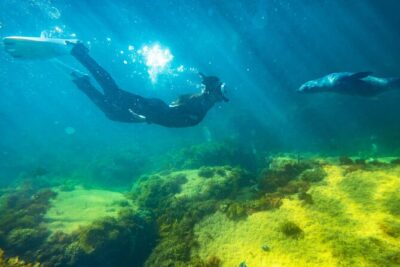 ★ 4.5Kangaroo Island – Swim with Dolphins/Seals/Coastal SnorkelFrom $139261 reviews
★ 4.7Kangaroo Island: 75-Minute Coastal SafariFrom $62181 reviews
★ 4.5Kangaroo Island – Swim with Dolphins/Seals/Coastal SnorkelFrom $139261 reviews
★ 4.7Kangaroo Island: 75-Minute Coastal SafariFrom $62181 reviews
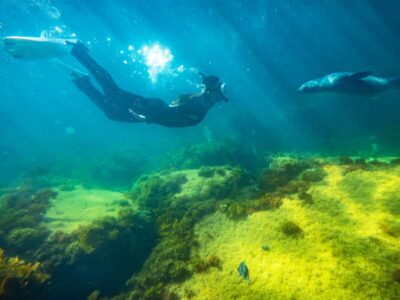 ★ 4.3Kangaroo Island: Dolphin, Seal, and Swimming Boat TourFrom $138133 reviews
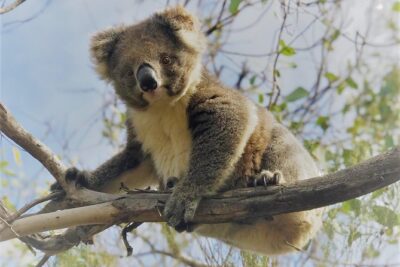 ★ 5.0Kangaroo Island Scenic Nature and Wildlife Day TourFrom $286129 reviews
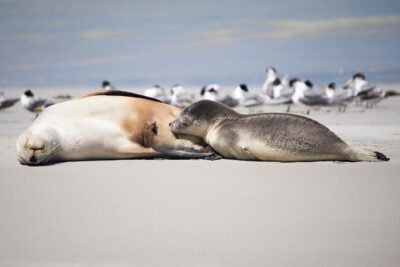 ★ 5.0Kangaroo Island Luxury Small Group ‘Island Life’ Full Day TourFrom $453120 reviews
Browse the lists this tour appears in