
Reviewed · VICTOR HARBOR & FLEURIEU PENINSULA
Adelaide: Surfing Lesson at Middleton Beach with Equipment
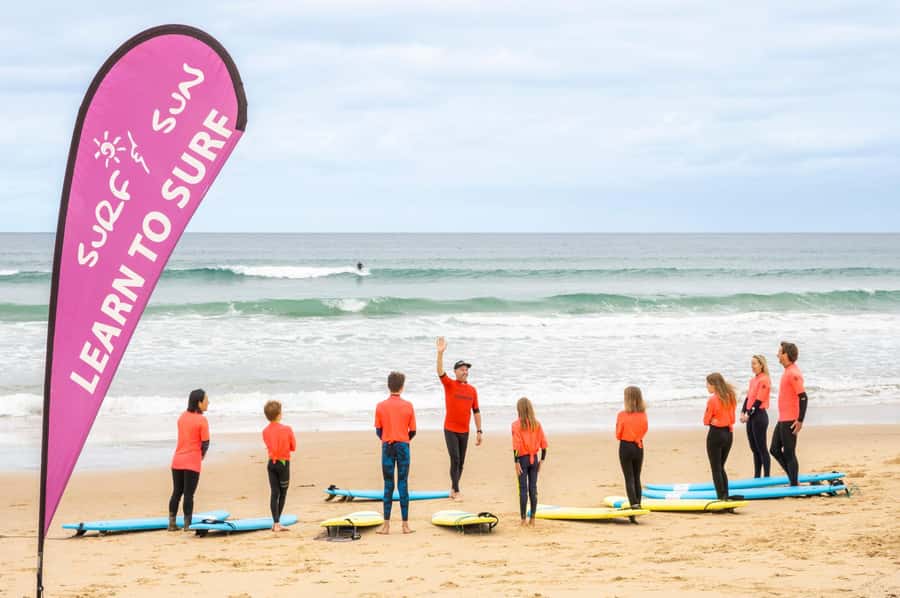
Your first wave starts on dry sand. This group lesson at Adelaide’s Middleton Beach focuses on surf safety and a proper wetsuit-and-board fit before you ever paddle out. I like the way the coaching stays practical and encouraging, but you should know ocean conditions can be a bit rough some days.
You’ll be in a small-to-medium group style lesson where you learn the basics on the beach first, then head into the water with instructor feedback. The main thing to consider is that bigger groups may mean less one-on-one attention at times.
Still, for $41 for about two hours, you’re getting more than stand-up-at-all-costs surfing. You also get surf gear, plus learning support at home with e-books and instructional videos after booking.
In This Review
- Key Things I’d Prioritize Before You Go
- Middleton Beach Surf Lesson: What the Experience Really Feels Like
- Your Start Line: Meeting at Chapman Road and Getting Fitted
- The 2-Hour Rhythm: How the Lesson Moves From Sand to Waves
- 1) Beach instruction: learn how to act and where to put your effort
- 2) Into the water: practice with instructor tips
- Gear That Makes Beginner Surfing Actually Work
- The Home Prep Bonus: 3 E-Books and Instructional Videos
- Pricing and Value: Is $41 Worth It?
- Safety, Feedback, and the Best Ways to Get Results
- What to Bring (So You Don’t Lose Time)
- Who This Lesson Fits Best
- A Quick Reality Check: Conditions, Algae, and Learning Pace
- Should You Book This Middleton Beach Surf Lesson?
- FAQ
- Where do I meet for the surf lesson?
- How long is the lesson?
- How much does it cost?
- What surf gear is included?
- What should I bring with me?
- Is it suitable for non-swimmers?
- What is the minimum age?
- Will I get anything to help me learn before or after?
Key Things I’d Prioritize Before You Go
- Beach-to-water teaching flow: fundamentals on sand first, then real wave time
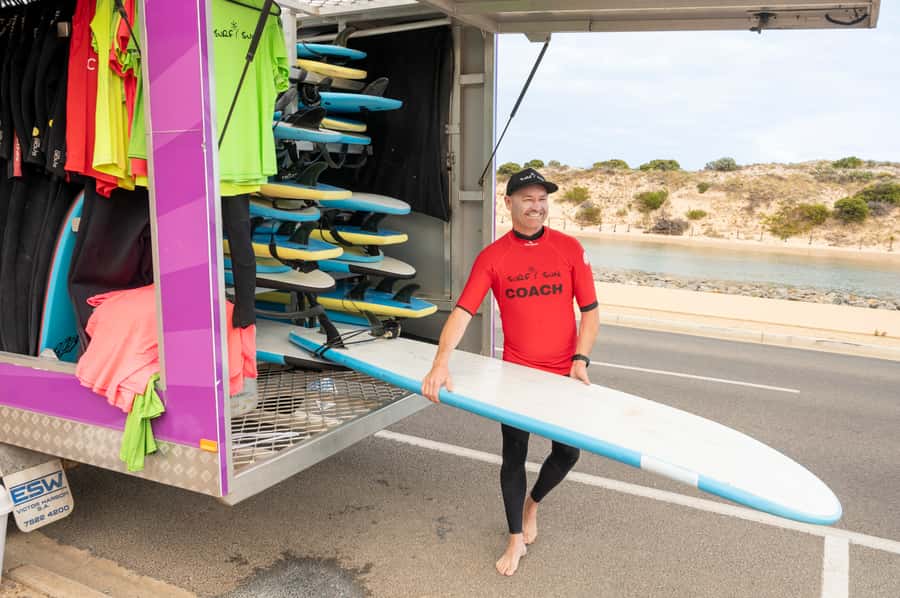
- Beginner-friendly gear: soft surfboards and wetsuit setup included
- Safety-first coaching: you’ll get the rules for moving, paddling, and handling surf conditions
- Learn one focus at a time: instructors give tight tips so you don’t feel overloaded
- Coaches track progress: in past sessions, instructors actively help each person and cheer small wins
- Conditions can change fast: rougher water can make the learning curve feel steeper
Down to Victor Harbor, more of the Fleurieu
- From Goolwa: Half-Day Coorong Experience★ 4.9 · 129 reviews
- Learn to Surf at Middleton Beach★ 5.0 · 57 reviews
- From Adelaide: Victor Harbor & Southern Highlights Day Tour★ 4.4 · 31 reviews
- Adelaide: Surfing Lesson at Middleton Beach with Equipment★ 4.7 · 28 reviews
- Best of SA, Hahndorf , Victor Harbor & d’arenberg ‘Cube’ Tour★ 4.5 · 26 reviews
Middleton Beach Surf Lesson: What the Experience Really Feels Like
Middleton Beach sits right on South Australia’s Fleurieu Peninsula, and it’s the kind of place where you can see why people fall for surfing. The setting matters. You’re not stuck in a gym class vibe. You’re learning a skill that’s tied to timing, balance, and reading the water.
The lesson is built for first-timers and casual learners. That shows in the structure: beach basics first, then you take those moves into the waves. You’ll also be working with equipment meant for beginners, which helps you focus on technique instead of fighting the board.
Two things I’d call out right away: the coaching emphasizes safety and the lesson pacing aims to keep you moving. In other words, you’re not waiting around. Even when you don’t stand up immediately, you’ll still be learning what to do next.
The possible catch is simple: surf days don’t always cooperate. One learner noted that conditions were rough on their session, and that’s real. You still should come prepared to adapt.
Your Start Line: Meeting at Chapman Road and Getting Fitted
You meet at the beach at the parking lot located at the end of Chapman Road, Middleton. That matters because it keeps the experience simple and on-site: you’re not hunting for a building, and you can focus on getting ready.
Before you get into the lesson itself, you’ll be fitted for your wetsuit and the right-size board. This is a big deal for beginners. If you’re too big or too small in your gear, your position changes. If the board doesn’t fit how you’re learning, your attempts get harder than they need to be.
What’s included here is also practical: a wetsuit, a rash shirt, and a soft surfboard. You’re not arriving and immediately discovering you forgot the one thing that makes ocean time comfortable.
From a value point of view, this part helps you avoid “hidden costs.” You’re paying one upfront price and getting the core kit that makes the lesson possible.
The 2-Hour Rhythm: How the Lesson Moves From Sand to Waves
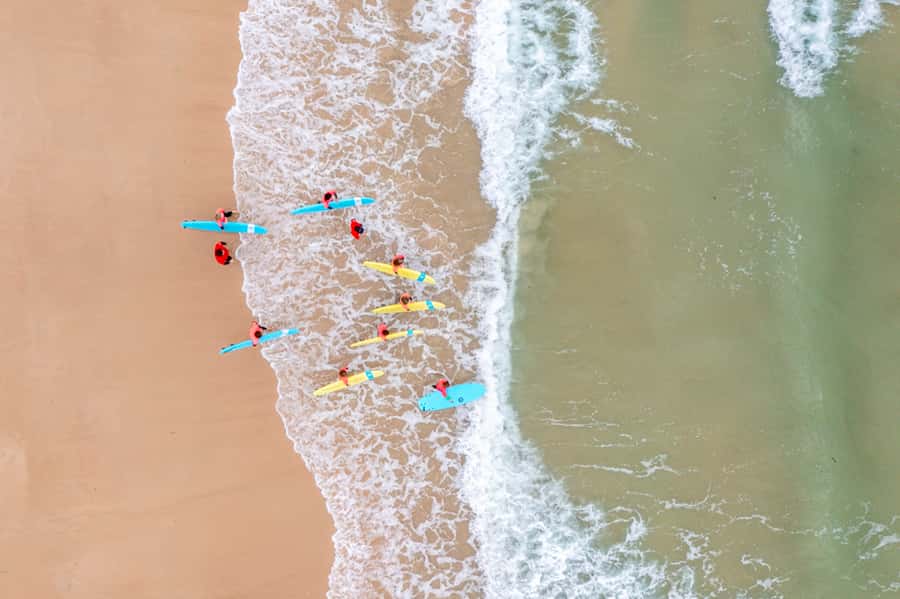
The lesson runs for about 2 hours, and it’s designed with a clear arc: teach basics on the beach, then apply them in the water.


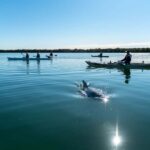

1) Beach instruction: learn how to act and where to put your effort
Before you’re in the water, you’ll cover fundamental surf techniques. Exactly what you work on can vary, but the goal stays consistent: you learn the movements and the safety rules so you can participate without guessing.
This is also where you’ll get the “how not to get in trouble” part—surf safety. Expect guidance on how to behave around waves and how to move with more control than panic. For brand-new surfers, that kind of clarity often makes the difference between feeling overwhelmed and feeling like you’re part of a real lesson.
2) Into the water: practice with instructor tips
Once you take things to the water, the instructors shift into coaching mode. You’ll get advice that helps you improve while you’re actually trying.
A couple themes show up strongly in how people describe their coaching experience:
- Tips are usually given in a way that’s not too much at once, so you can focus on one thing.
- Coaches actively help each person—getting people their first successful waves is part of the job.
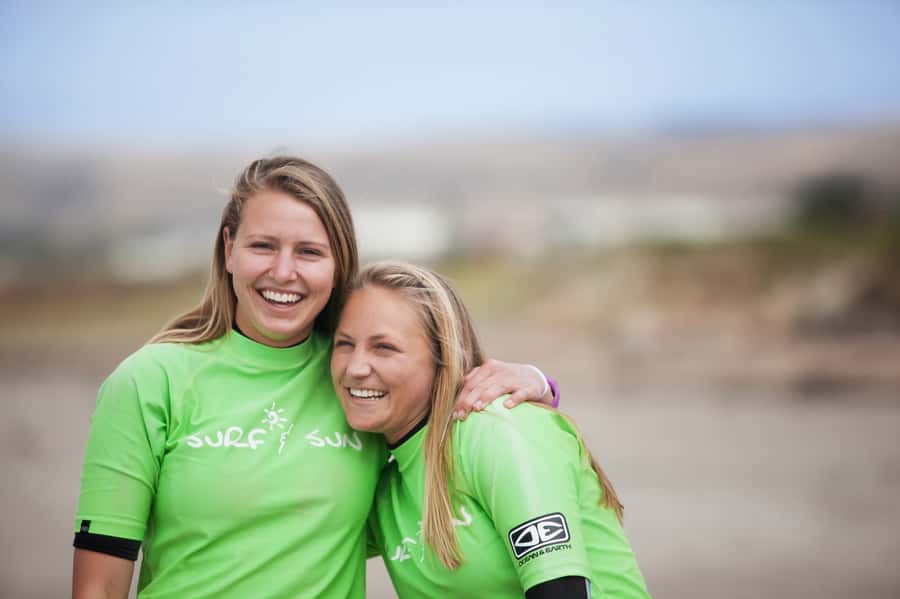
- The vibe tends to be supportive, with instructors celebrating small wins.
That last point sounds fluffy until you’re actually trying. Surf learning is full of near-misses. A coach who treats progress like progress helps you keep going instead of shutting down after attempt number three.
Gear That Makes Beginner Surfing Actually Work
The lesson uses equipment on a 12-month rotation policy, so you’ll be riding modern boards and wearing up-to-date wetsuits (at least in the sense that the provider keeps gear current).
You’ll use:
- Soft surfboard (easier for first attempts)
- Wetsuit
- Rash shirt
- Suncream (provided)
Soft boards are a quiet win for beginners. They help you learn balance with less fear of harsh impacts. And a good board setup means your paddling and pop-up attempts can be practiced without fighting the wrong type of equipment.
Also, the lesson includes an instructor who can adjust guidance based on what you’re doing wrong. That means you can learn technique rather than just “trying harder.”
The Home Prep Bonus: 3 E-Books and Instructional Videos
After booking, you’ll receive 3 e-books and instructional videos to help you work on the basics from home.
This is valuable because surfing has a learning curve that can feel awkward at first. When you arrive with basic concepts in your head—stance ideas, paddling basics, what you’re supposed to do—it helps you absorb instruction faster during the actual lesson.
If you’re the kind of person who likes to understand the why before the how, this add-on makes the session feel more “earned” and less random.
Pricing and Value: Is $41 Worth It?
At $41 per person for a 2-hour group lesson, you’re paying for four things at once: instruction, time in the water, and the full surf kit you need for the day (board, wetsuit, rash shirt), plus sunscreen.
That’s solid value, especially if you don’t already own surf gear. Buying a wetsuit and a board can quickly become a bigger expense than a one-off lesson, and most beginners don’t even know their board needs yet.
Also, group lessons spread instructor time across a few people, which is why the price stays approachable. You trade away some one-on-one intensity, but you gain affordability and momentum. For many first-timers, that’s the sweet spot.
The only price-related caution is coach-to-student ratio. One person in a larger group setup wished for more coaches when the group was big. So if you’re someone who really wants lots of direct hands-on feedback, keep that in mind and choose your expectations accordingly.
Safety, Feedback, and the Best Ways to Get Results
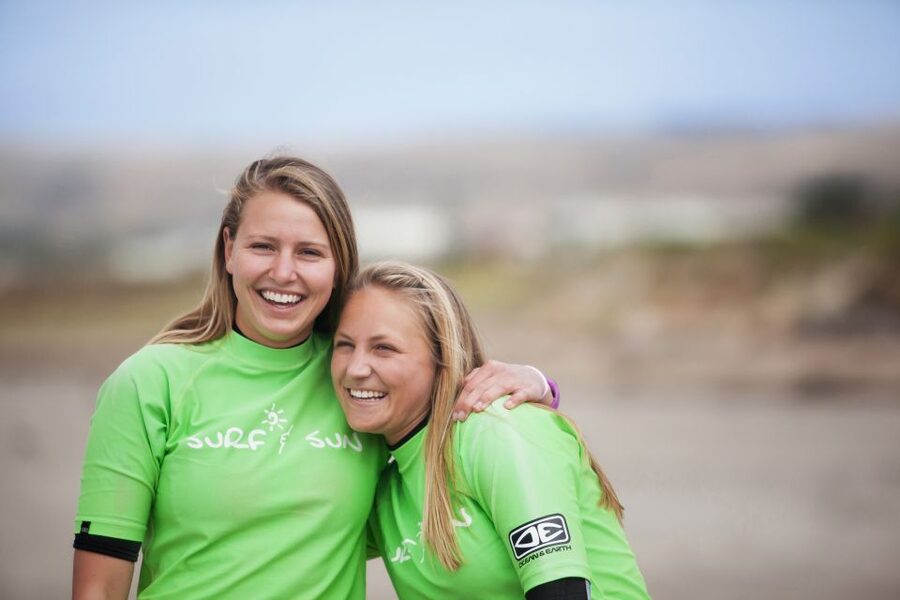
Surfing improves fastest when you do two things: follow safety guidance and work on one improvement at a time. The coaching style here tends to support both.
Here are practical ways to make the most of your session:
- Listen once, then try. If you constantly re-process every cue mid-wave, you’ll slow your learning.
- Pay attention to the first successful attempt and repeat that version of the move.
- Ask for clarification if you’re confused about what the coach wants you to focus on next—don’t just push through uncertainty.
- If conditions feel rough, lean into safety instructions. The point is learning, not proving toughness.
You’ll also want to take care of your body before the ocean work starts. Bring water and a towel. Comfort affects focus.
What to Bring (So You Don’t Lose Time)
You should bring:
- Swimwear
- Towel
- Water
The lesson provides the wetsuit, rash shirt, board, and sunscreen. Your job is mostly to show up ready to change quickly and stay hydrated.
If you’re prone to getting cold or stiff after changing, a towel becomes more than a convenience. It helps you warm up and reset between instruction chunks.
Who This Lesson Fits Best
This is a beginner-focused surf lesson for people who want to learn the basics with instruction and equipment.
It’s not suitable for:
- Children under 7 years
- Non-swimmers
So if you can swim comfortably and you’re ready to try something new outdoors, you’re in the right lane. If you don’t swim yet, you’ll want a different introduction course before you tackle ocean waves.
Language instruction is English, which is helpful for straightforward coaching and safety talk.
A Quick Reality Check: Conditions, Algae, and Learning Pace
Surf conditions change. Even on a good teaching setup, you might end up with rougher water on the day. One learner noted the session had choppy conditions, and that’s something you can’t control.
There’s also a note from a past participant about algae and feeling unwell after the session. That doesn’t mean you should cancel, but it does mean you should think about:
- how you react physically to ocean water and conditions
- whether you’re feeling too sick, too tired, or too unwell to safely participate
If you’re prone to getting motion-sick or you’re not feeling well, it’s better to take that seriously than to push through.
Finally, group coaching can vary. On a larger group session, one person wished for more coaches. If you’re the type who learns best with frequent individual corrections, consider booking when the group size looks manageable.
Should You Book This Middleton Beach Surf Lesson?
I’d book it if:
- you’re a beginner or coming back to basics
- you want a 2-hour, gear-included intro without hassles
- you like coaching that gives practical tips and keeps the session encouraging
- you can swim and are comfortable following surf safety guidance
I might skip or choose a different option if:
- you’re not a confident swimmer
- you’re traveling with a child under 7
- you know you’ll need lots of direct one-on-one help in the water
- you’re worried about how your body handles rough ocean conditions
If you want a simple, structured way to learn surfing on the Fleurieu Peninsula, this is a solid start—and the take-home videos make it easier to keep the momentum after you leave the beach.
FAQ
Where do I meet for the surf lesson?
Meet at the beach at the parking lot located at the end of Chapman Road, Middleton.
How long is the lesson?
The lesson lasts about 2 hours.
How much does it cost?
It costs $41 per person.
What surf gear is included?
You get a soft surfboard, a wetsuit, a rash shirt, and suncream, along with an instructor and the surf lesson itself.
What should I bring with me?
Bring swimwear, a towel, and water.
Is it suitable for non-swimmers?
No. It is not suitable for non-swimmers.
What is the minimum age?
Children under 7 years aren’t suitable for this activity.
Will I get anything to help me learn before or after?
After booking, you’ll receive 3 e-books and instructional videos to help you work on the basics from home.
More Tour Reviews in Adelaide
- Barossa Premium Wine Tasting Tour & lunch Departs 7 days a week
★ 5.0 · 1,475 reviews - Adelaide: Barossa Premium Wine Tasting tour & Winery Lunch
★ 4.8 · 1,452 reviews - Discover Barossa: 4 Wine Tastings, Gourmet Lunch, and Hidden Gems
★ 5.0 · 1,027 reviews - Adelaide: River Torrens Popeye Sightseeing Cruise
★ 4.6 · 949 reviews - From Adelaide: Barossa to Hahndorf Wine Tasting and Lunch
★ 4.6 · 877 reviews
Down to Victor Harbor
- Victor Harbor and Fleurieu Peninsula Tour
★ 4.5 · 145 reviews - From Goolwa: Half-Day Coorong Experience
★ 4.9 · 129 reviews - Learn to Surf at Middleton Beach
★ 5.0 · 57 reviews - From Adelaide: Victor Harbor & Southern Highlights Day Tour
★ 4.4 · 31 reviews - Best of SA, Hahndorf , Victor Harbor & d’arenberg ‘Cube’ Tour
★ 4.5 · 26 reviews
Just Added: Fresh Adelaide Reviews




Victor Harbor & Fleurieu Peninsula, compared.
 ★ 4.5Victor Harbor and Fleurieu Peninsula TourFrom $106145 reviews
 ★ 4.9From Goolwa: Half-Day Coorong ExperienceFrom $84129 reviews
★ 4.6Victor Harbor and Fleurieu Peninsula TourFrom $10559 reviews
★ 4.9From Goolwa: Half-Day Coorong ExperienceFrom $84129 reviews
★ 4.6Victor Harbor and Fleurieu Peninsula TourFrom $10559 reviews
 ★ 5.0Learn to Surf at Middleton BeachFrom $4657 reviews
 ★ 4.4From Adelaide: Victor Harbor & Southern Highlights Day TourFrom $10131 reviews
 ★ 4.5Best of SA, Hahndorf , Victor Harbor & d’arenberg ‘Cube’ TourFrom $14226 reviews
 ★ 5.0Premium Victor Harbor, Port Elliot and d’Arenberg Minibus TourFrom $17915 reviews
 ★ 4.5SA Skydiving Adelaide – GoolwaFrom $2509 reviews
Browse the lists this tour appears in