
Reviewed · VICTOR HARBOR & FLEURIEU PENINSULA
Discover Victor Harbor Guided Walking Tour
Victor Harbor has a secret time warp. This 90-minute guided walk turns the streets between the Granite Island Causeway and Railway Terrace into a late-1800s story about ports, people, and even whaling—so you can picture how the town grew. I especially love the way guide Caroline uses photographs and maps, and how the route spotlights ironstone and bluestone heritage buildings.
One thing to plan for: the tour runs rain or shine, and sunscreen isn’t included, so pack it along with water. The upside is that the walking surface is flat, with no steps, so the whole experience feels practical for real holiday pace—not a grueling march.
In This Review
- Key Reasons This Walk Works So Well
- A 90-Minute Time Machine You Can Actually Fit In
- Granite Island Causeway Start: Encounter Bay and the Flinders–Baudin Link
- Encounter Walkway: Early Settlement, Whaling, and the Port That Drove Everything
- Newland Memorial Church and Church Hall: Faith, Hardship, and Key Settler Stories
- Warland Reserve: Ironstone and Bluestone Heritage + Transportation and Port Life
- Railway Terrace Finale: From Export Delays to Tourism and Holiday Residences
- Women’s Roles, Flora and Fauna, and the Cultural Thread
- Practical Tips: How to Enjoy It (and Not Get Tricked by Weather)
- Is the $24 Price Good Value for a Guided Victor Harbor Walk?
- Should You Book This Discover Victor Harbor Guided Walking Tour?
- FAQ
- How long is the Discover Victor Harbor Guided Walking Tour?
- Where does the tour start?
- What are the main stops and areas you’ll see?
- What does the tour include?
- What should I bring?
- Is the tour wheelchair accessible?
- Does the tour run in bad weather?
- Can I bring a dog?
- Can I cancel and get a refund?
Key Reasons This Walk Works So Well
- Flinders and Baudin at Encounter Bay: you start with a big meeting story right off the causeway.
- Real heritage stops, not just passing views: Newland Memorial Church, Warland Reserve, and Railway Terrace get proper attention.
- Ironstone and bluestone buildings: you learn why these materials mattered to the town’s look and function.
- Whaling to tourism: you’ll connect early export trade to why the area became a holiday destination.
- Women’s roles included: it’s not only about the big men and big dates.
Down to Victor Harbor, more of the Fleurieu
- Discover Victor Harbor Guided Walking Tour★ 5.0 · 8 reviews
A 90-Minute Time Machine You Can Actually Fit In
This is the kind of walking tour that makes planning easier. It’s 90 minutes—long enough to give you a clear thread through Victor Harbor’s development, but short enough to keep the rest of your day open. You’re moving through the older parts of town where the character is still visible, especially in the heritage-listed buildings made from ironstone and bluestone.
What I like most is that the story stays grounded. You’re not just hearing names dropped for trivia points. The guide ties themes together: how the port grew, how goods moved (and how slowdowns changed things), and how the town’s identity shifted into what you see today. And because you’re walking a steady route with a flat surface, you can focus on the information instead of constantly watching your footing.
At $24 per person, this is priced like a solid “learn a lot without spending all day” option. You get a live local guide (the part that matters most for value), plus a structured walk with stops—so you’re not trying to piece together the town alone.
Granite Island Causeway Start: Encounter Bay and the Flinders–Baudin Link
Your tour begins at the start of the Granite Island Causeway, opposite the horse-drawn tramway shop. That location is smart. It gives you a strong “why this place exists” moment right away, before you move into the streets.
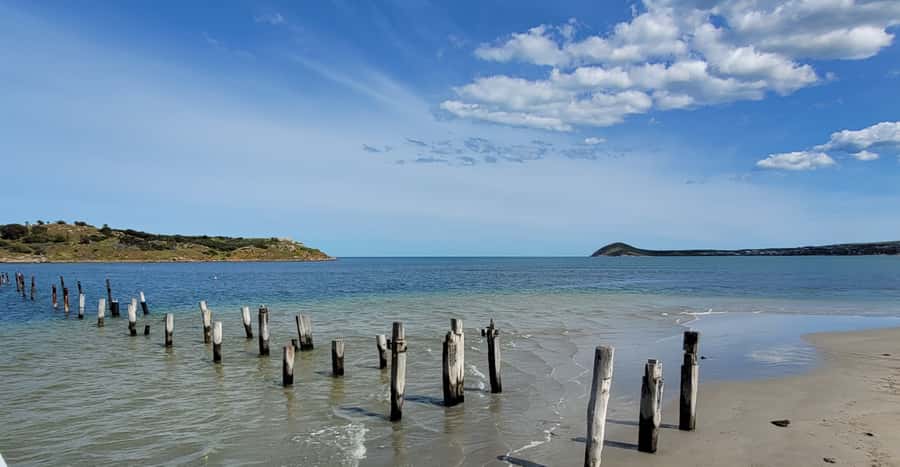
From there, you’ll walk along the causeway and look toward the islands of Encounter Bay. The guide then brings in the meeting of Captains Flinders and Baudin—an event that helps you understand Victor Harbor as more than a pretty getaway. It’s tied to exploration routes and maritime attention, which makes the later port stories click into place.
Then you continue onto the Encounter walkway. This stretch isn’t just scenic filler; it sets up the next layer of the town’s early European settlement. If you like history that explains cause and effect—why people came, what they shipped, and how that shaped town growth—this start gives you the foundation.
Practical note: you’ll likely want to wear shoes that feel steady and comfortable, since you’re on a walking route for the full 90 minutes. The good part is the surface is flat with no steps.
Encounter Walkway: Early Settlement, Whaling, and the Port That Drove Everything
As you walk along the Encounter walkway, the guide shifts from exploration to settlement. You’ll hear about early European settlement and the role of whaling, including its significance as South Australia’s first commercial export.
That theme matters because it’s not an abstract “old industry” story. The tour frames whaling as a driver of early activity and economic focus. When you connect that to the later discussion of ports and transportation, you start to see how Victor Harbor functioned like a working gateway to the wider region.
This portion of the walk also helps you understand why the town developed where it did. You’re not just learning what happened—you’re seeing how the geography and water access shaped the choices of settlers and the growth of the town’s infrastructure.
If you’re the kind of visitor who enjoys small “ah-ha” moments, this is where they tend to happen: the tour links industry, movement, and settlement into one clear storyline.
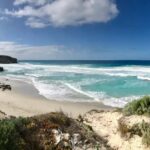
Newland Memorial Church and Church Hall: Faith, Hardship, and Key Settler Stories
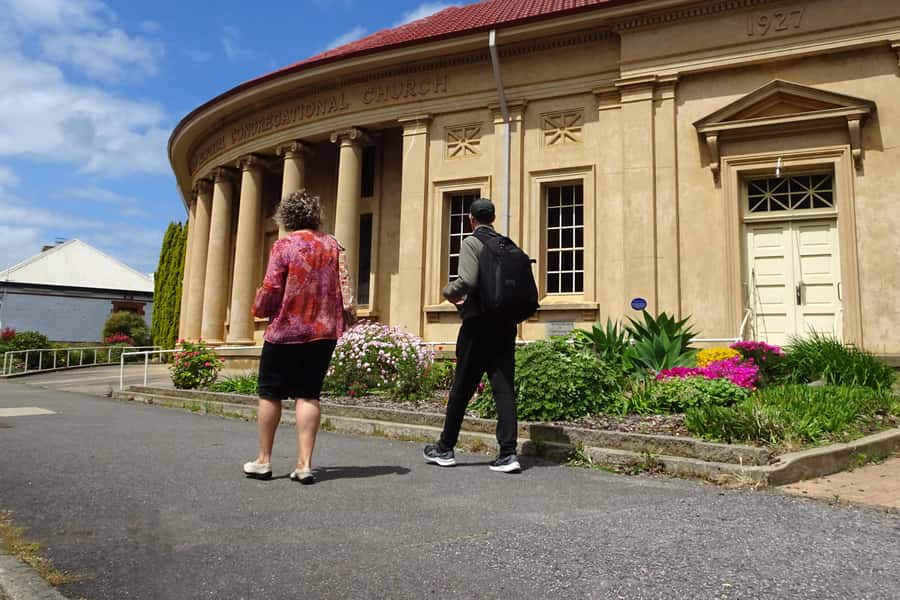
Your first stop among heritage buildings is the Newland Memorial Church and Church Hall. The tour pauses here for more than quick photos. This is where the guide slows the pace to talk about the people behind the early days—key settlers, the challenges of settler life, and what those contributions meant for the town’s development.
This stop is valuable because it puts a human face on what might otherwise feel like a checklist of historic structures. Churches often acted as more than worship spaces in early communities, so it makes sense the tour highlights this site when talking about early growth and social life.
You’ll also get a sense of what life was like back then—how hard it could be, how people pushed through, and how the town formed its early identity. If you’ve ever visited an old building and wondered who used it and why, this is the moment that usually answers that question.
One tip for getting more out of this stop: use it as a listening checkpoint. Let the guide’s story settle, then look at the building again with new context. It changes how you see stone and brick.
Warland Reserve: Ironstone and Bluestone Heritage + Transportation and Port Life
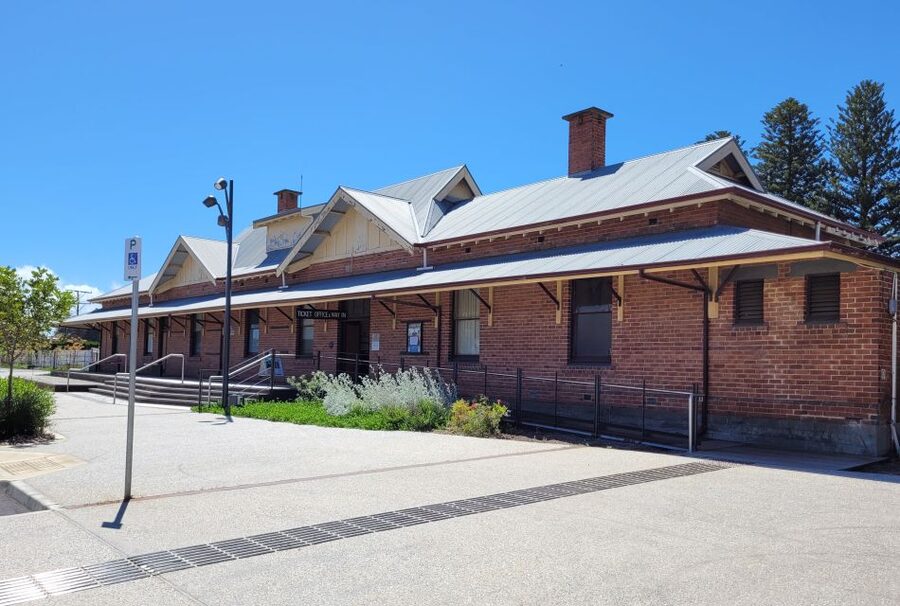
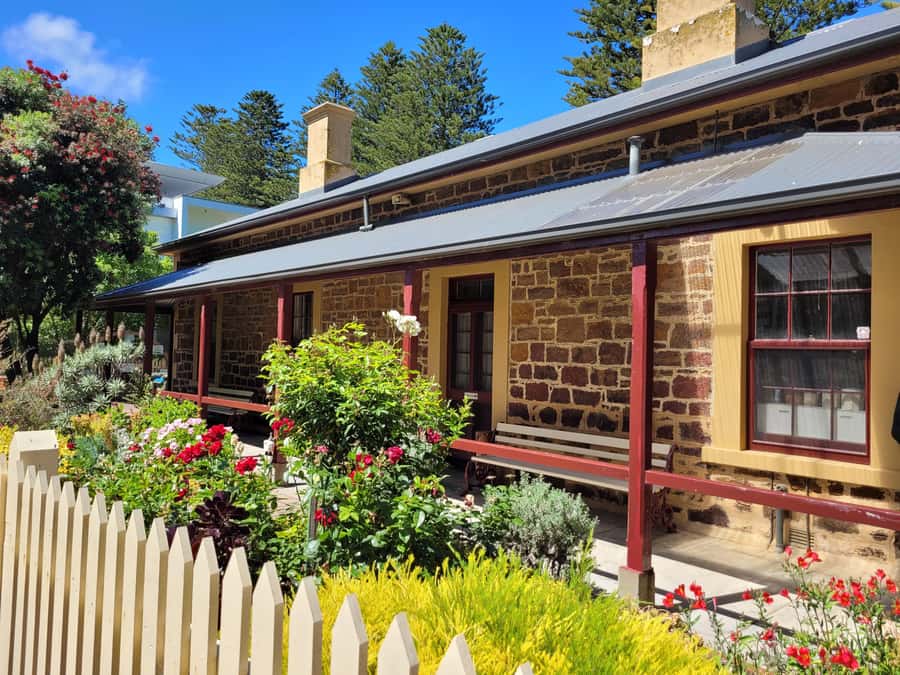
Next up is Warland Reserve. This stop is where the tour leans hard into the building materials and how they connect to the town’s function. You’ll admire ironstone and bluestone heritage buildings, and you’ll hear how these buildings related to transportation and port activity.
This part works well because it’s visual. You can literally point to what the guide is talking about, which makes the “why it mattered” explanation land faster. In many heritage towns, people visit the pretty buildings but miss the practical angle. Here, the practical angle is built in.
You’ll also hear more early settler life stories around this area, with a focus that ties back to movement—how goods and people interacted with the port, and how that shaped daily reality. It’s a helpful bridge between the industry talk from earlier and the tourism shift coming later.
If you’re photographing, this is usually a good area for images that show texture and age. The tour’s attention to ironstone and bluestone helps you know what to look for beyond surface appearances.
Railway Terrace Finale: From Export Delays to Tourism and Holiday Residences
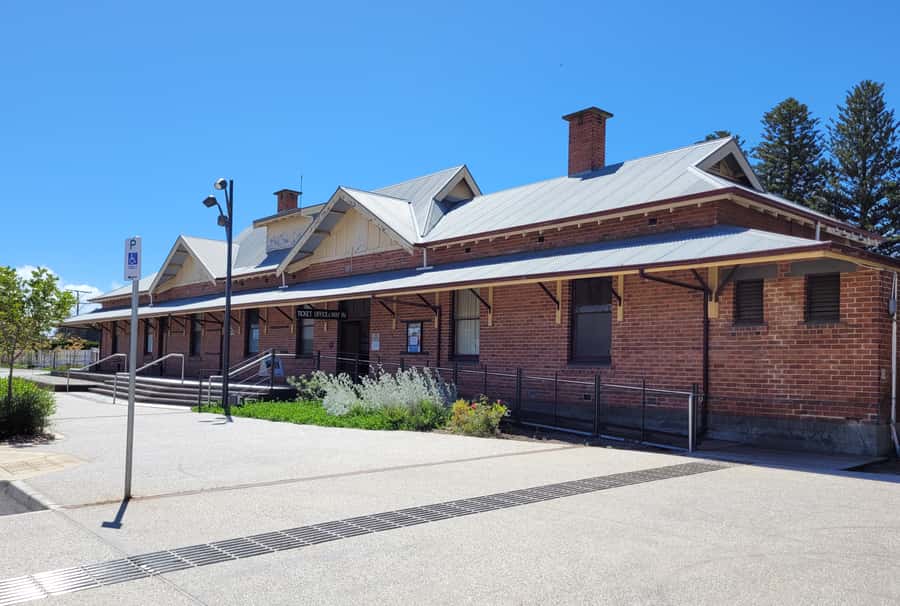
The tour’s final stretch brings you to Railway Terrace, a historical precinct packed with stories. Here’s where the tour explains a key turning point: export of goods down the River Murray slowed, and tourism began to take on a more important role. That shift is the backbone of why Victor Harbor became the holiday town people know today.
You’ll look at old hotels and hear about grand holiday residences built in the late 19th century. This isn’t just “cool old buildings.” The guide connects these places to the change in the town’s economy—when visitors started arriving for leisure instead of only for trade and industry.
This is a strong ending because it answers the practical question you’ll be thinking while you walk: why do these buildings exist in this town, and why did they evolve the way they did?
When the tour finishes, you’ve basically covered the arc from exploration and early settlement to port-driven growth to tourism. That gives your later self-guided exploring a sense of direction.
Women’s Roles, Flora and Fauna, and the Cultural Thread
Beyond ports and buildings, the tour also includes stories about the role of women during these times. That’s a meaningful highlight because it broadens the lens. Instead of only hearing about the loud public figures, you get a better sense of how society operated and how community life was shaped.
You’ll also hear about flora and fauna as part of the broader picture of Victor Harbor’s culture. The tour isn’t set up like a nature lecture, but it uses the local environment as part of how you understand the town’s identity. If you like history that touches daily life—how people lived alongside their local surroundings—this element adds texture.
Overall, what makes this cultural thread work is that it doesn’t feel tacked on. It supports the bigger story: Victor Harbor grew into a tourist town by combining industry, settlement structure, and community life over time.
Practical Tips: How to Enjoy It (and Not Get Tricked by Weather)
This tour runs rain or shine, so you’ll want to plan for the day you’re booking. Sunscreen isn’t included, and drinks aren’t included, so bring both. Comfortable clothes matter because you’re walking for the full 90 minutes.
The good part: there are no steps, and the surface is flat along the town walkway and pavements. If you worry about mobility, that’s reassuring. It also helps that the tour covers a logical route with stops rather than random roaming.
Two practical ideas to get the most value:
- Come ready to pause. The best parts are the stops where the guide tells the story and points out what to notice.
- If you’re a slower walker, the pace is still designed for the full experience. One of the most common positive points from past participants is that the distance and pace work well.
Dog lovers will also be glad to know the tour is dog friendly. If you want to bring your dog, you’ll need to contact the operator and keep your dog on a lead.
Is the $24 Price Good Value for a Guided Victor Harbor Walk?
At $24 per person, you’re paying for something you can’t easily replicate on your own: a guided route that connects the dots across multiple heritage sites. The tour includes a local guide and a planned walk with story stops—Newland Memorial Church and Church Hall, Warland Reserve, and Railway Terrace—plus interpretation of themes like whaling and how tourism replaced slower trade patterns.
If you’re the type of visitor who likes to know what you’re looking at while you’re looking at it, this price feels fair. If you already know Victor Harbor’s history inside out, you might feel less impact from the guide’s explanations. But for most people, the value comes from learning a coherent story without spending hours building it yourself.
For a 90-minute outing, it’s also cost-effective. It leaves plenty of time afterward to keep exploring on your own—now with a mental map and context.
Should You Book This Discover Victor Harbor Guided Walking Tour?
Book it if you want an easy, well-structured Victor Harbor experience that turns familiar streets into a clear historical storyline. The guide-led approach is the big win: you’ll see the ironstone and bluestone architecture and hear why it matters, plus you’ll get themes like whaling, port development, and the changing role of tourism.
Skip it only if you’re trying to avoid any walking at all, or if you prefer purely self-guided sightseeing with no guided interpretation. Otherwise, this is a strong “learn and enjoy at the same time” option.
FAQ
How long is the Discover Victor Harbor Guided Walking Tour?
It lasts about 90 minutes.
Where does the tour start?
It starts at the beginning of the Granite Island Causeway, opposite the horse-drawn tramway shop.
What are the main stops and areas you’ll see?
You’ll walk along the Granite Island Causeway and the Encounter walkway, and you’ll stop at Newland Memorial Church and Church Hall, Warland Reserve, and Railway Terrace.
What does the tour include?
The tour includes a local guide.
What should I bring?
Bring drinks, sunscreen, and comfortable clothes.
Is the tour wheelchair accessible?
Yes. The tour is wheelchair accessible, and the surface along the town walkway and pavements is flat with no steps.
Does the tour run in bad weather?
Yes, the tour takes place rain or shine.
Can I bring a dog?
The tour is dog friendly. Contact the tour operator if you want to bring a dog, and keep your dog on a lead.
Can I cancel and get a refund?
Yes. You can cancel up to 24 hours in advance for a full refund.
More Tour Reviews in Victor Harbor
- Penneshaw: Shore Excursion Kangaroo Island Scenic Tour
★ 4.3 · 103 reviews - Victor Harbor and Fleurieu Peninsula Tour
★ 4.6 · 59 reviews
Down to Victor Harbor
- Victor Harbor and Fleurieu Peninsula Tour
★ 4.6 · 59 reviews
Just Added: Fresh Adelaide Reviews
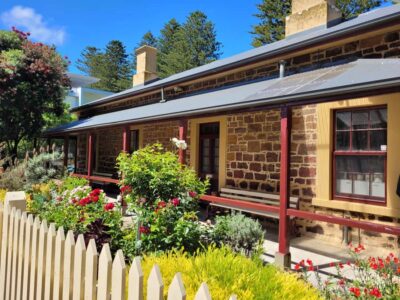
Victor Harbor & Fleurieu Peninsula, compared.
 ★ 4.5Victor Harbor and Fleurieu Peninsula TourFrom $106145 reviews
 ★ 4.9From Goolwa: Half-Day Coorong ExperienceFrom $84129 reviews
★ 4.6Victor Harbor and Fleurieu Peninsula TourFrom $10559 reviews
★ 4.9From Goolwa: Half-Day Coorong ExperienceFrom $84129 reviews
★ 4.6Victor Harbor and Fleurieu Peninsula TourFrom $10559 reviews
 ★ 5.0Learn to Surf at Middleton BeachFrom $4657 reviews
 ★ 4.4From Adelaide: Victor Harbor & Southern Highlights Day TourFrom $10131 reviews
 ★ 4.7Surfing Lesson at Middleton Beach with EquipmentFrom $4128 reviews
 ★ 4.5Best of SA, Hahndorf , Victor Harbor & d’arenberg ‘Cube’ TourFrom $14226 reviews
 ★ 5.0Premium Victor Harbor, Port Elliot and d’Arenberg Minibus TourFrom $17915 reviews
Browse the lists this tour appears in